
October 2025
Why people stay when they can shape their work — and how organisations can make it possible.
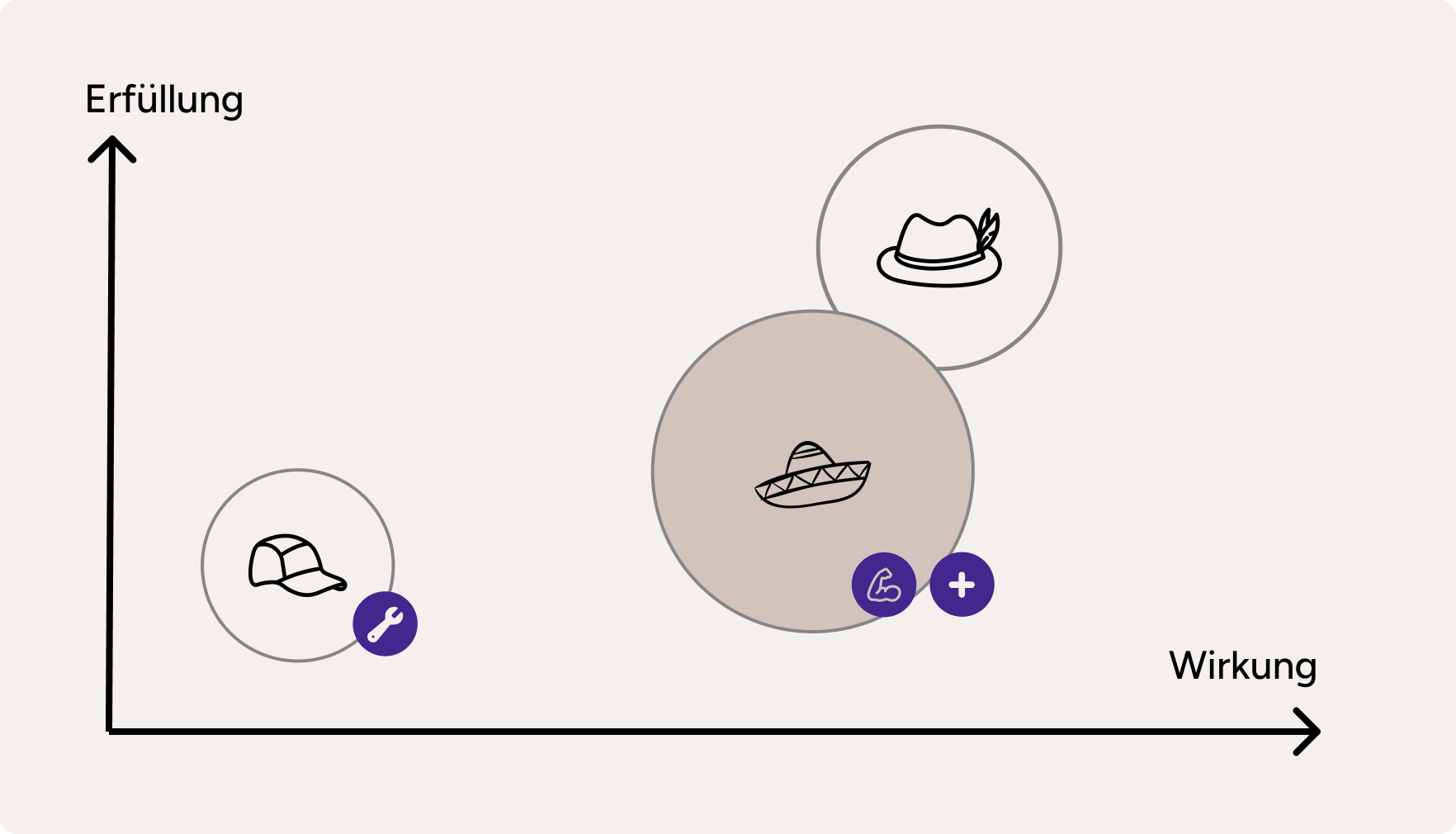
Vor ein paar Monaten erzählte mir eine Führungsperson aus einem mittelgrossen Tech-Unternehmen Folgendes:
„Ich weiss gar nicht mehr genau, was mein Team alles macht. Alle arbeiten hart, aber jeder in eine andere Richtung.“
Das ist heute nicht ungewöhnlich. Rollen verändern sich, Aufgaben kommen schleichend dazu, Wichtiges wird nebenbei erledigt – und irgendwann verliert man den Überblick.
Doch gleichzeitig wünschen sich Menschen genau das Gegenteil: Klarheit, Sinn und Gestaltungsspielraum.
Und hier beginnt Job Crafting.
Es ist eine Rückeroberung der eigenen Arbeit. Ein Moment, in dem jemand sagt:
„So arbeite ich heute. So möchte ich arbeiten. Und so werde ich wirksam.“
Job Crafting ist keine grosse Theorie. Es ist ein Gespräch mit sich selbst:
Was tue ich eigentlich? Welche Aufgaben bringen mich voran? Wo verliere ich Energie? Und was würde passieren, wenn ich meine Rolle ein wenig anders leben würde?
Oft sind es kleine Verschiebungen, die grosse Wirkung haben:
Ein Projekt, das jemandem Freude macht, bekommt mehr Raum. Eine Aufgabe, die seit Monaten zerrt, wird neu verteilt. Eine Zusammenarbeit wird anders strukturiert — und plötzlich wird Arbeit wieder klarer und leichter.
Das Ziel ist immer dasselbe: bessere Passung zwischen Mensch, Rolle und Unternehmenszweck.
In vielen Organisationen bleiben wichtige Potenziale ungenutzt. Menschen könnten wirksamer arbeiten, wenn man ihnen erlauben würde, ihre Rolle zu schärfen und anzupassen.
Nicht, weil sie weniger arbeiten wollen, sondern weil sie bewusster arbeiten wollen.
Das Ergebnis ist jedes Mal dasselbe: mehr Motivation, weniger Reibungsverluste, mehr Verantwortung.
Gerade in KMU oder wachsenden Teams, in denen Rollen selten sauber dokumentiert sind, wirkt Job Crafting fast wie ein Frühjahrsputz:
Man sieht plötzlich wieder, was da ist — und was fehlen könnte.
Bei wyrd haben wir Job Crafting nicht als Theorie implementiert, sondern als Format, das real funktioniert: die Job Werkstatt.
Die Idee ist simpel: Menschen sollen ihre Rolle offen auf den Tisch legen dürfen — mit allen sichtbaren und unsichtbaren Aufgaben.
Dann bewerten sie, wo sie wirklich wirken und wo sie ausbrennen.
Daraus entstehen Ideen, wie die Rolle sich weiterentwickeln könnte.
Und am Ende folgt der wichtigste Teil: ein Dialog mit der Führungsperson, der diese Ideen sortiert und in konkrete Schritte übersetzt.
Kein Workshop zum Abhaken, kein Formular.
Sondern ein Prozess, der Wirkung entfaltet — für beide Seiten.
In Unternehmen, die die Job Werkstatt einsetzen, fällt besonders eines auf:
Menschen sprechen anders über ihre Arbeit.
Sie formulieren klarer, was ihnen wichtig ist.
Führungspersonen verstehen besser, worin jemand wirklich stark ist.
Und oft lösen sich Probleme, die vorher wie festgefahren wirkten.
Das ist das stille Versprechen von Job Crafting:
Wenn Menschen gestalten können, gestalten sie nicht nur ihre Rolle — sie gestalten die Kultur mit.
Job crafting is not an HR trend, but a path to real development.
It combines personal strengths with entrepreneurial effectiveness and creates a basis for better cooperation.
wyrd's job workshop makes this process so easy that it becomes part of everyday life — not just another tool that collects dust after two weeks.
If you want to see what job crafting actually feels like:
Sign up for free and try out the job workshop directly.

